Types
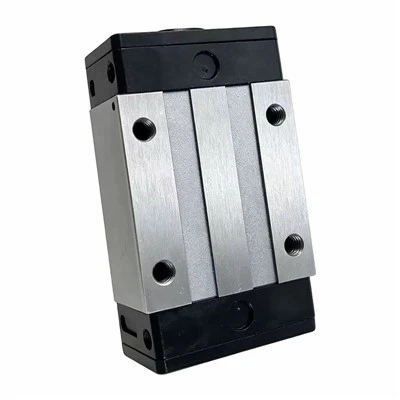
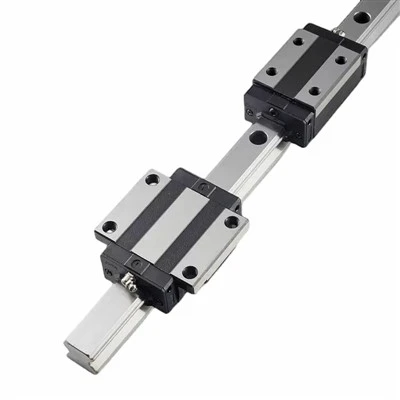
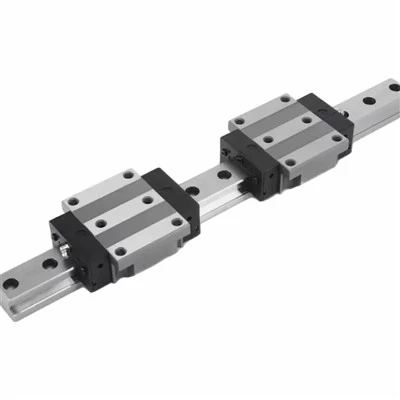
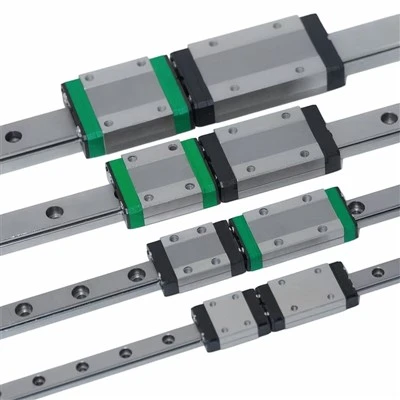
Based on shape, arc guide rails can be categorized into straight-arc, curved-arc, and modular arc guide rails. Curved-arc rails are the primary type used for applications requiring movement along a curved path, while modular arc rails offer greater flexibility by allowing assembly into various shapes and sizes. Structurally, they can be classified as either segmented (spliced) or integral (one-piece) circular guide rails. Based on product type (load capacity), they are classified as either light-duty or heavy-duty arc guide rails.
Drive Methods
Arc guide rails offer diverse and flexible drive options that can be selected based on specific application scenarios and requirements; factors such as precision, speed, load capacity, stability, and cost must be considered when making a choice.
Roller Drive: Rollers are mounted on the arc guide rail and roll along its surface, driving the carriage or component in an arc-shaped motion. The large contact area and low frictional resistance between the rollers and the rail surface help minimize wear and extend service life; this method is suitable for applications requiring high load capacity and stability. Pinion Drive: A pinion meshes with a gear rack or gear ring on the arc guide rail. As the motor rotates the pinion, it moves along the rack or ring, driving the carriage or component in an arc-shaped motion. This method offers high transmission efficiency and is ideal for applications demanding high precision and speed. Synchronous Belt Drive: A synchronous belt operates in conjunction with a pulley on the arc guide rail. The motor drives the pulley, moving the belt along a specific path to drive the carriage or component in an arc-shaped motion. Capable of long-distance transmission, this method features smooth operation and low noise, making it suitable for applications requiring high precision and high-speed movement.