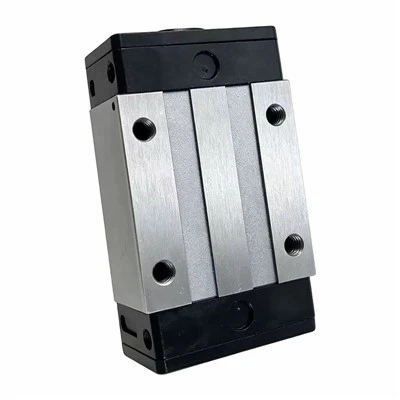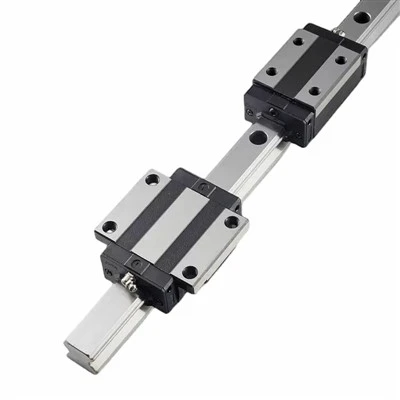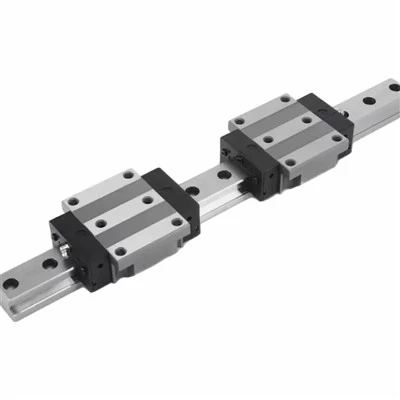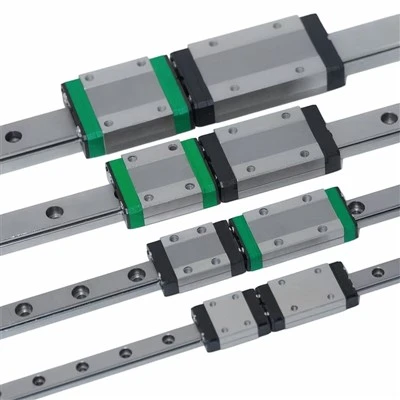
Elevator guide rails serve a critical role in the elevator system by guiding the car and counterweight during operation and providing structural support when the safety gear engages to brake the car.
The importance of guide rails is analyzed below in terms of both safety and ride comfort.
Safety. The material of the guide rail is a primary factor affecting safety. If the material is excessively hard or non-uniform (with localized hard spots), the safety gear clamps may fail to generate sufficient friction during braking; this can lead to brake failure and result in a car free-fall-the most severe type of elevator accident. Guide rails must also possess sufficient strength to support the car and withstand the impact forces generated when the safety gear engages.
Ride Comfort. Several factors regarding guide rails influence ride comfort:
Connection precision: For solid guide rails, connection precision is ensured by the dimensions of the rail ends and the symmetry of the tongue-and-groove joints; for hollow guide rails and escalator rails, it is ensured by end dimensions and geometric tolerances. This precision directly impacts the smoothness and comfort of the elevator's operation.
Roughness of the guiding surface: The roughness of the guiding surface directly affects how smoothly the guide shoes travel along the rail and influences lubricant retention, thereby impacting the quality of the car's movement.
Straightness and twist: Any bending or twisting at any point along the rail exerts a lateral force on the car, disrupting its vertical linear motion and causing a swaying sensation. As elevator speed increases, this manifests as vibration, thereby compromising ride comfort.